
カテゴリ: Lifestyle
Underconsumption Core: Why Buying Less Is the New Flex
Underconsumption Core: Why Buying Less Is the New Flex
hook
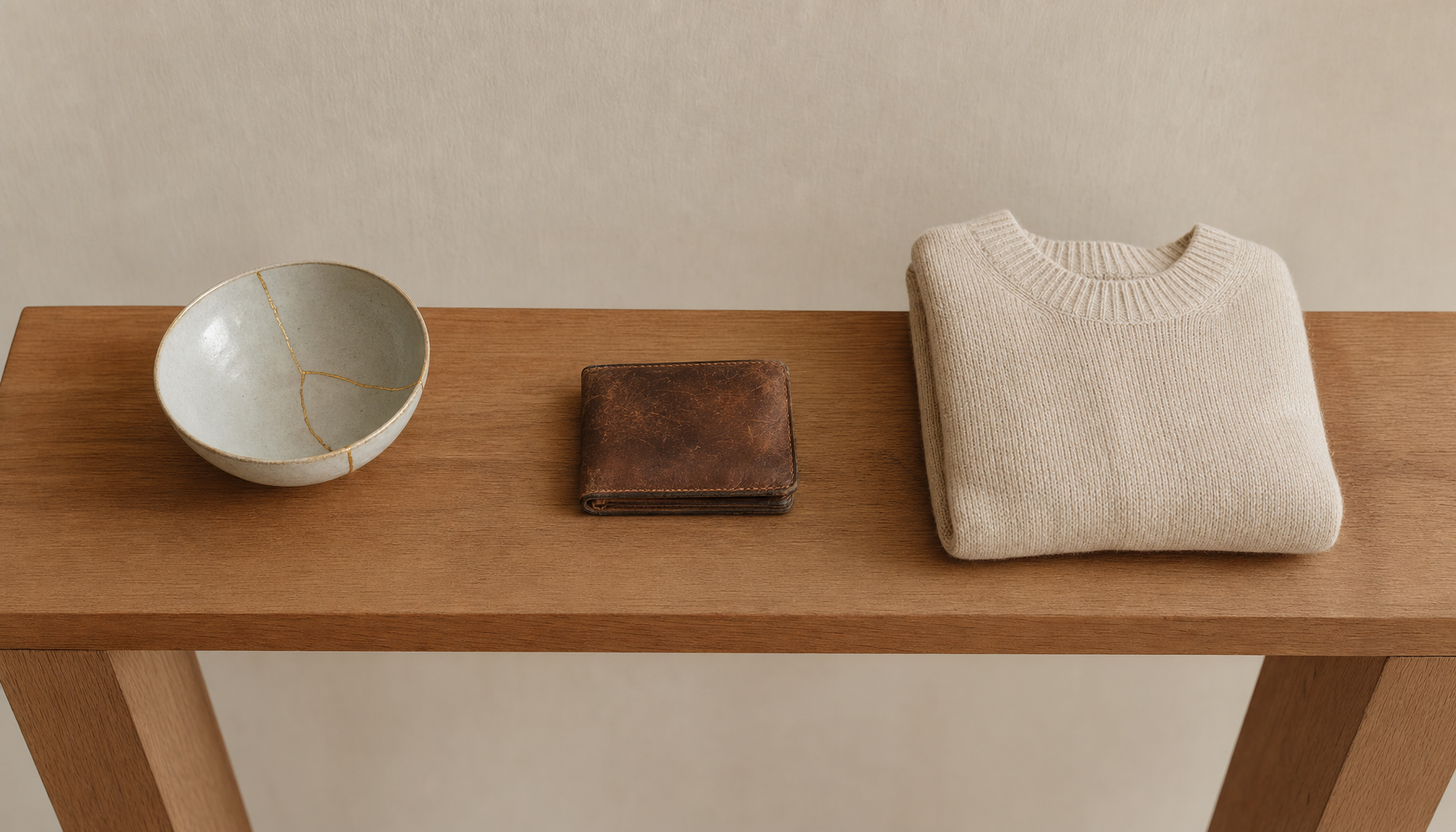
Remember when hauling shopping bags into a TikTok video was the ultimate flex? That era is quietly ending. Enter Underconsumption Core: the aesthetic of using what you already own, proudly displaying your five-year-old mascara tube, your mother's hand-me-down handbag, your slightly chipped mug. It's the antithesis of haul culture, and Gen Z is eating it up. Born as a backlash against overconsumption and influencer-driven shopping sprees, this movement celebrates the worn, the inherited, and the deliberately mundane. And while it feels fresh on Western feeds, it echoes a sensibility Japan has cultivated for centuries—mottainai, the quiet shame of waste. Suddenly, restraint is the new status symbol, and 'I've had this for years' is the most coveted caption of 2025.
data
The numbers tell the story. The hashtag #underconsumptioncore has surpassed 230 million views on TikTok, with related posts growing roughly 400% over the past three months. The core demographic? Gen Z women in their early twenties, proudly filming their nearly-empty lipstick tubes, decade-old IKEA shelves, and linen shirts softened by years of washing. The drivers are clear: inflation fatigue, climate anxiety, and a collective exhaustion with influencer-driven consumerism. Major outlets including Vogue and The New York Times have covered the trend, framing it not as a fleeting meme but as a generational reckoning with consumption itself. Search interest in terms like 'no-buy year' and 'capsule wardrobe' has also surged in tandem. What started as a quiet rebellion on FYP feeds is rapidly becoming a values shift—one that brands, retailers, and even economists are starting to take seriously.
explanation
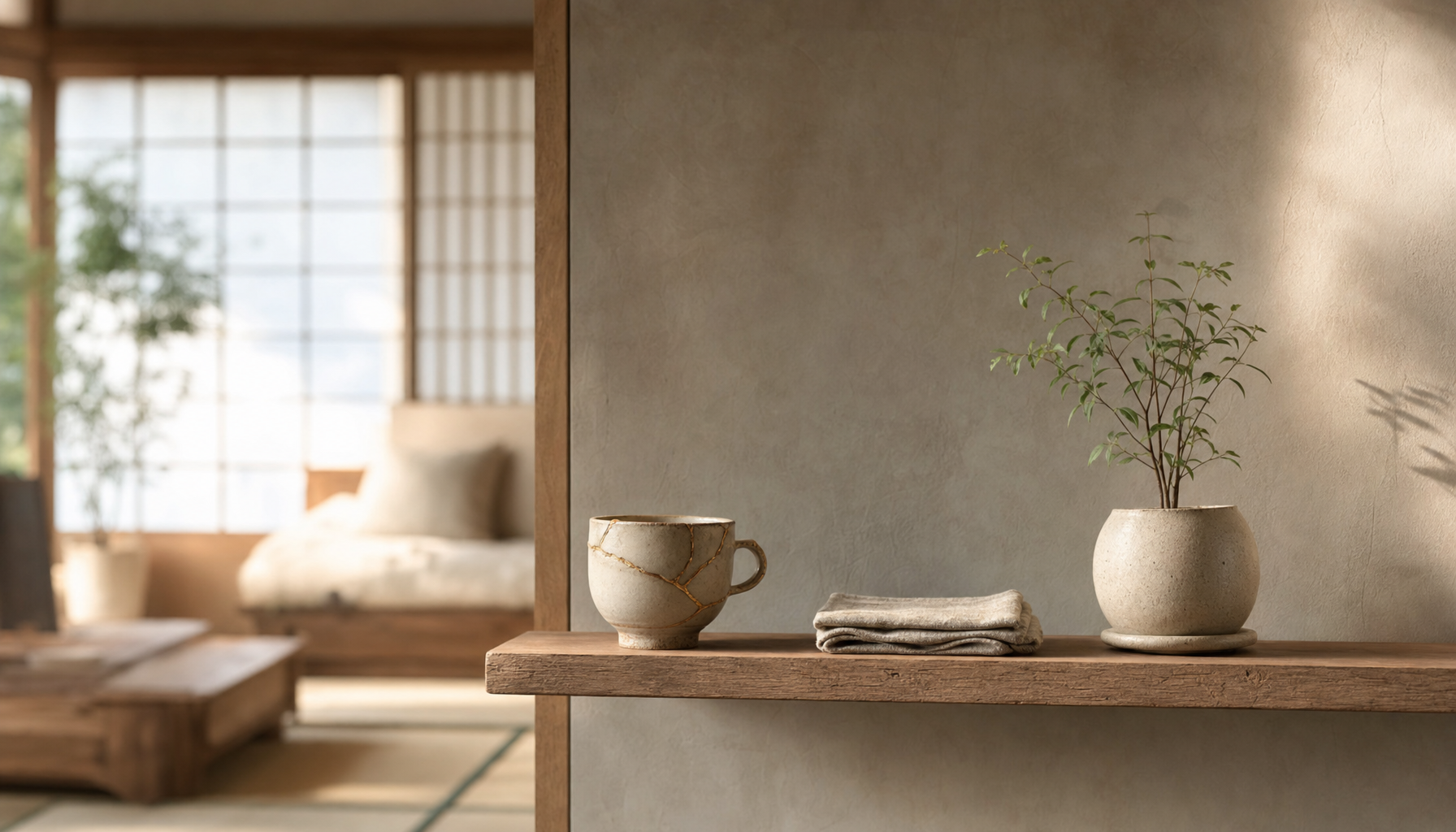
So why now? At its heart, Underconsumption Core is a hunger for authenticity. Worn out by curated influencer perfection, young people are finding beauty in the real, the imperfect, the long-loved. This sensibility maps almost perfectly onto core Japanese aesthetics. Wabi-sabi finds beauty in age, asymmetry, and wear. Kintsugi—the art of repairing broken ceramics with gold lacquer—turns damage into distinction, treating scars as part of an object's story. Chef Yoshiharu Doi's philosophy of ichiju-issai (one soup, one side) reframes minimalism as abundance through subtraction. And mottainai—the regret of wasting something with inherent value—was introduced globally by Nobel laureate Wangari Maathai in 2005 as a uniquely Japanese ethic. In many ways, Underconsumption Core is these centuries-old Japanese values being retranslated for a TikTok-native generation. The aesthetics are new; the philosophy is ancient.
practice
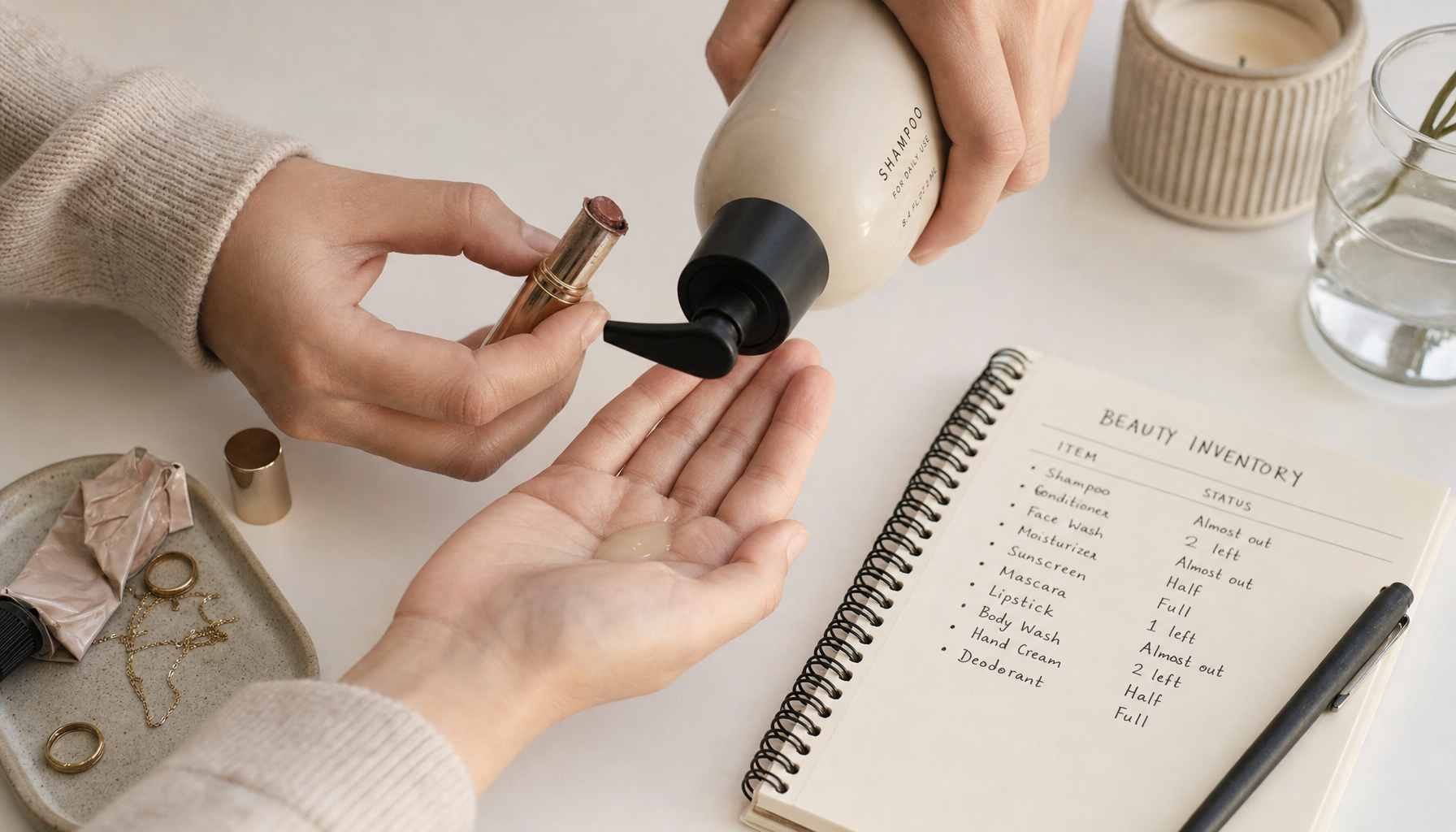
Ready to try it? Three entry points for a more underconsumption-friendly life. First, the Use-It-Up Challenge: finish every product in your home—skincare, detergent, notebooks—before buying replacements. The quiet satisfaction of emptying a bottle is surprisingly more rewarding than unboxing a new one. Second, the One-In-One-Out rule: for every new clothing item, release one. Maintaining a stable wardrobe size dramatically reduces impulse buys and decision fatigue. Third, embrace mending. Before tossing a torn shirt or chipped bowl, ask: can this be repaired? Tokyo neighborhoods like Kuramae and Shimokitazawa have seen a boom in repair cafes, sashiko stitching workshops, and kintsugi classes. The goal isn't austerity or deprivation—it's intentionality. Reframe the practice not as 'buying nothing,' but as 'choosing carefully, keeping longer.' That subtle mindset shift transforms your relationship with stuff, sharpens your sense of what you actually love, and—bonus—saves serious money over time.
cta
Want to go deeper? Start with Japanese wisdom. Yoshiharu Doi's Ichiju-Issai: A Proposal for Simple Eating (English edition available) reframes minimalism as nourishment. Beginner kintsugi kits—available on Amazon—let you repair broken ceramics at home with food-safe lacquer and gold powder, turning waste into heirloom. For journaling your no-buy journey, invest in one well-made notebook like the Midori MD or Traveler's Notebook—objects designed to age beautifully with use. The point isn't to buy these things instead of others; it's to choose tools that deepen your relationship with what you already own. That's the Tokyo Decoded take on Underconsumption Core. Your challenge for this week: post one well-worn item you've loved for years. Caption it proudly. That's the new flex.