
The 2026 Guide to Global Money Trends: From Loud Budgeting to Cash Stuffing
Loud Budgeting, Soft Saving, Cash Stuffing — a single map of the money trends born overseas. Which one fits you, and how to actually practice it in Japan.
The era of hiding the fact that you're saving money is over. Among younger generations overseas, a steady stream of 'trends' is reframing our entire relationship with money. People who refuse to treat self-denial as a virtue and instead declare their frugality out loud. People who choose today's quality of life over a distant future. People who, in an age of tap-to-pay, deliberately sort cash into labeled envelopes. These movements look scattered, but they share a single spine. This article is the map: a single entry point to the global money trends Tokyo Decoded has decoded so far. Use it to find the one that fits you—and to see how to practice it in Japan.
What are global money trends? The 2026 numbers
Line up the numbers and you can see this isn't a passing meme. Loud Budgeting, born on US TikTok, has topped 140 million views. Cash Stuffing has crossed 500 million, and binder-style cash organizers saw a +300% year-over-year search jump on Amazon US. Meanwhile, an Intuit survey found that 73% of US Gen Z prioritize today's quality of life over retirement saving—the foundation of the new mindset called Soft Saving. The shared drivers: inflation fatigue, a backlash against social-media 'performance spending,' and a cultural shift toward talking about money openly. What's changing isn't the contents of the world's wallets—it's the world's attitude toward money itself.
Why they spread: design over willpower
The spine running through all of these is a shift from willpower to design—from forcing yourself to spend less, to building systems that keep your money in order automatically. And that idea is deeply familiar in Japan. Cash Stuffing, sorting cash by category, is essentially fukuro-wake kakeibo, the envelope budgeting Japanese households have used for decades. Its effectiveness is backed by Nobel laureate Richard Thaler's 'pain of paying'—cash transactions feel two to three times more costly than a tap. The root of Loud Budgeting, too, is the clean refusal to spend for appearances—resonating remarkably with Japan's mottainai and the idea of 'knowing what is enough.' Global money trends are often a rediscovery of wisdom Japan already held.
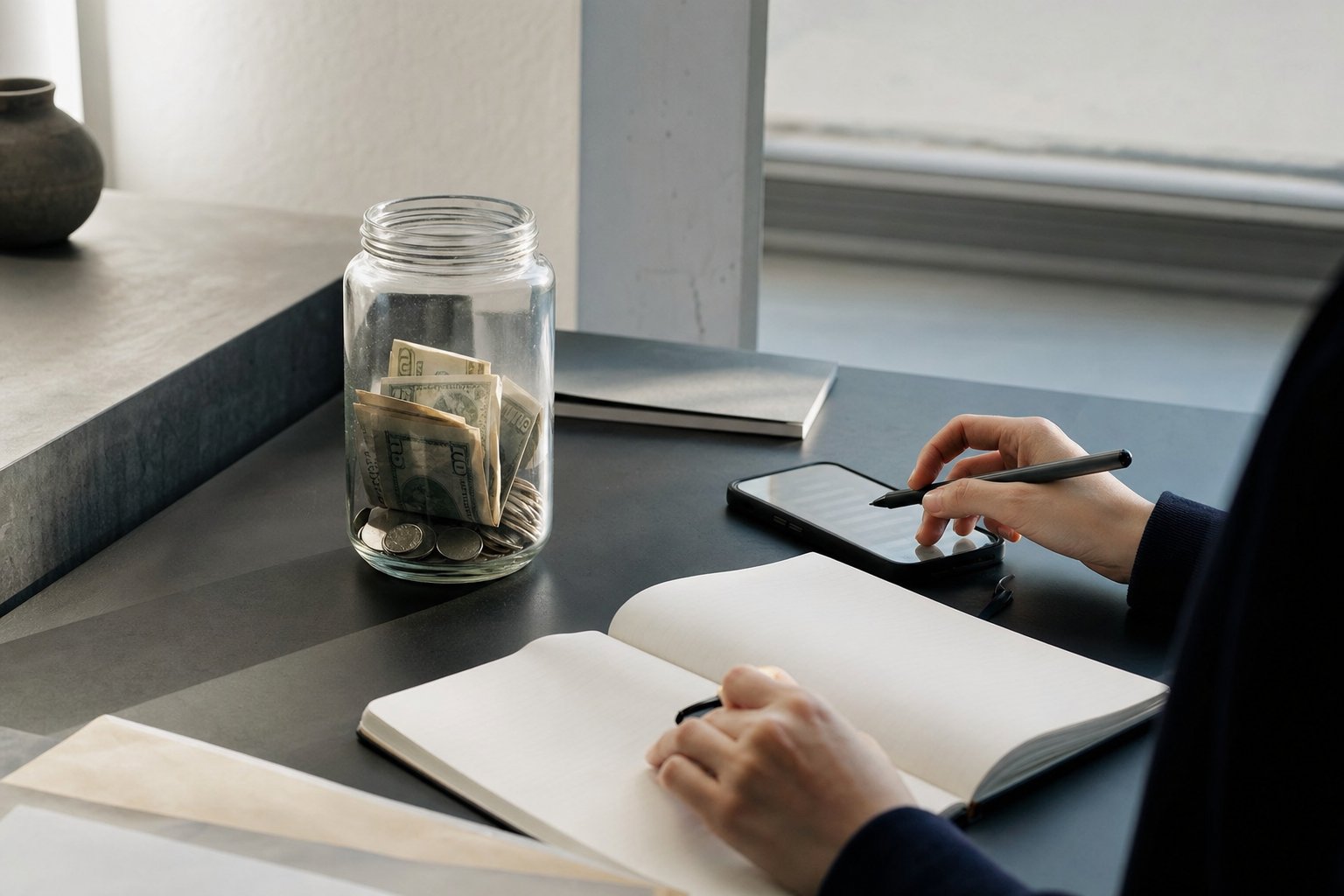
How to start: find your money trend in 4 types
So where should you begin? Here's a map by type. If you want to talk about money positively rather than through self-denial → Loud Budgeting: declaring your frugality not as something shameful but as a statement of your values. If cashless payments leave you with no felt sense of spending, and you overspend → Cash Stuffing (envelope budgeting): physically partition your budget by category, and when an envelope is empty, that category is done. If you're worn out by excessive saving for the future → Soft Saving: a way to rebalance today's quality of life against tomorrow's security. If you're tired of feeling 'sold to' → Deinfluencing: stepping back from influencer-driven buying pressure. We'll keep publishing fuller breakdowns of each trend on Tokyo Decoded. For now, pick just one—the trend that speaks loudest to where you are this month.

The takeaway: practicing global money trends in Japan
Global money trends will keep emerging. What matters isn't chasing the fads, but adopting their spine—design over willpower, letting go of appearances, knowing what is enough—into your own life. Start with the trend article that caught your eye, and try just one thing this month. And if you want to hear about the world's next money trend before anyone else, subscribe to Tokyo Decoded's free trend digest by email—we'll deliver the next 'new normal' before it lands in Japan.
About this article
This article was produced by the Tokyo Decoded editorial team. We cite sources, verify facts, and keep editorial independence from advertisers. See our editorial policy.